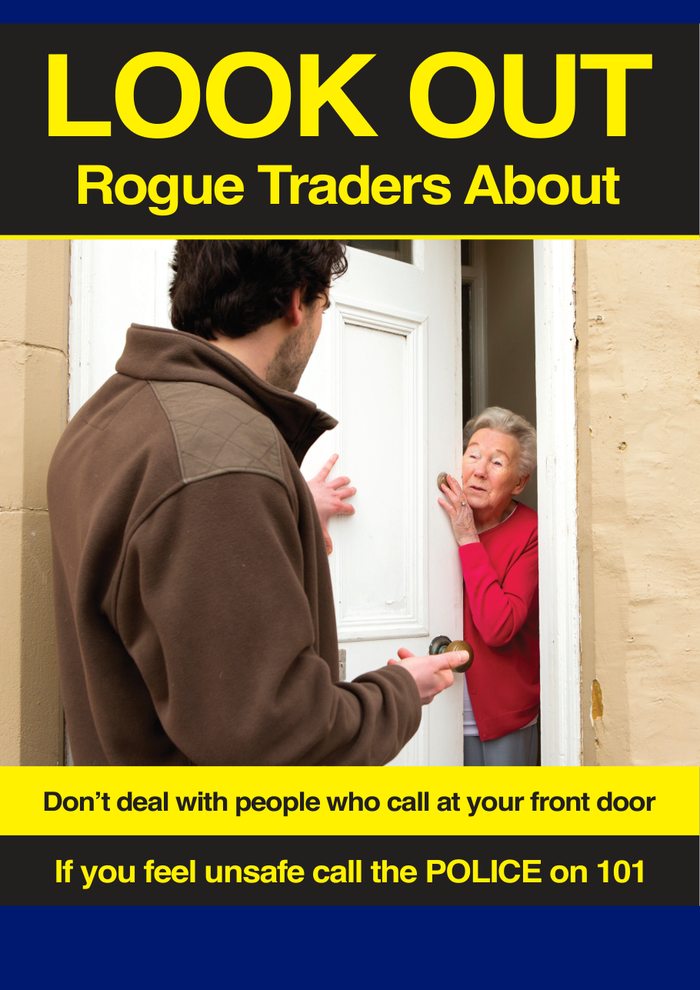
At Act Consumer & Trade Protection we have spoken to dozens of people who have been on the receiving end of hiring an unsuitable company to carry out work on their property — and sadly, they represent a very small proportion of the huge numbers who have suffered at the hands of cowboy builders.
Far from painting a picture of all allied trades being corrupt, we are simply seeking to stress the importance of choosing the right people for the job. Don't be flippant when making your choice: follow our guidelines and you are far more likely to end up living safely and happily in the home you wanted.
The Knock at the Door
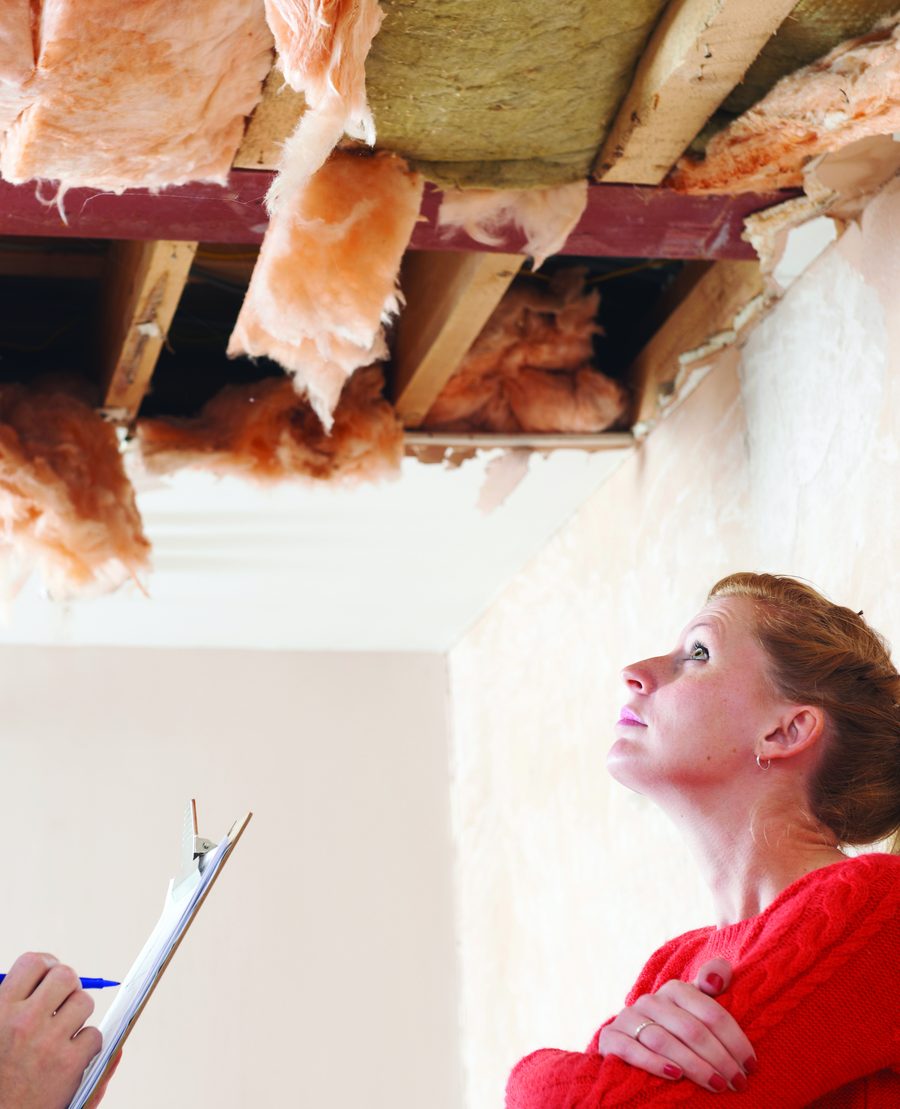
We have all had them — a trader knocking on the door asking if you need any work done, or even pointing out an issue with your property that they are willing to put right for you. The pitches can be convincing and clever, and year upon year thousands of people fall prey to them. Worryingly, many have become professional not in how they carry out their work, but in the timing they use to trap people. After particularly bad weather, for example, someone may tell you that you have lost roof tiles or that your guttering is damaged. They may claim to have just finished a job locally, leaving them with the manpower and materials to do your work at a competitive rate.
It will all sound convincing — but never make a decision on the spot. Instead, be aware of the tell-tale signs that the work may be substandard, dangerous, incomplete, or simply a rip-off.
The Price
If you aren't familiar with the cost of a job, you are unlikely to know what constitutes a decent price. The golden rule is to contact at least three firms to price the job, so you can make an informed decision as to whether a price is too high. Similarly, a price that is too low is often a warning sign. The old adage of "buy cheap, buy twice" is worth remembering.
The Payment Terms
A recurring theme with many rogue traders is that they request payment in cash, there is no VAT, and the quote won't be submitted in writing. Ask yourself whether this is how a reputable company would conduct its business — quite simply, a legitimate company categorically would not. It is indicative of someone trying to avoid paying tax, which is itself the mark of a criminal. If they are happy to cheat the tax man, they could be equally happy to cheat you. Bear in mind that if you pay by credit card there is always a chance of reclaiming money from the card provider — and if you do prefer to pay cash, always ask for a receipt.
A Lack of References
All legitimate businesses pride themselves on the work they have done for others, and wear references like a badge of honour. Any reliable trader will provide checkable references on request — and if they are unwilling to do so, you must draw the conclusion that it is because they haven't done a good enough job for anyone to provide one.
The Details of the Business
The devil is in the detail. Are their vehicles branded with a company logo, name and number? Are they happy to provide a registered business address? Are they members of a trade association — and if they claim to be, have you checked with that association that it's true? Watch for the small signs too: a builder or plumber is unlikely to wear a suit, but do they look scruffy and unprofessional? Are they punctual? Are there different faces on site every day? Professional traders usually work with a reliable, trusted workforce.
The Contract
Always get things in black and white — estimates, timescales and a legally binding contract. Without them you may be overcharged, or find the firm dragging the work out over a ridiculous length of time, often because they are juggling several jobs at once. The worst-case scenarios: they never complete the work, or blatantly deny there was ever an agreement after taking your cash.
Watch out too for traders who start to identify "additional problems" with your property and offer to fix them. You may genuinely have other problems — but this can also be a ploy to push you over any agreed price. Any additional work must also have a contract.
Health and Safety
Any professional trader will be trained in and familiar with health and safety. Disregard for the dangers involved in their work could endanger not only the workers, but you, your family and your pets. If you feel uncomfortable with the way they are working, be concerned that you aren't dealing with a reputable trader.
The Quality of the Work
Don't be blinded by science. If they tell you something is right when it doesn't look right, trust your instincts — we've heard of cases where nails were left sticking out and even doors hung the wrong way up. Check the work as it progresses and take photographs if you are unsure of the quality.
So How Do You Find a Good Trader?
Rather than waiting for the wrong person to show up at your door, do a little research — the time you spend will go a long way towards saving you stress and money.
- Ask people you know. Anyone who has recently had a similar project done can give you an honest opinion on quality, punctuality and price — and if it's a friend or family member, you can see the work for yourself. Be cautious with colleagues who may not want to admit to poor work for fear of feeling foolish.
- Ask other traders. If you have previously used an electrician, builder or plumber you trust, ask who they would recommend. Good traders know who is good — and who isn't.
- Look online. Reputable directory sites let you search by location and type of work, often with quotes and references. Many trade associations publish directories of approved members. Once you've found someone, check their website — does it look professional? Are there testimonials or photos of their work?