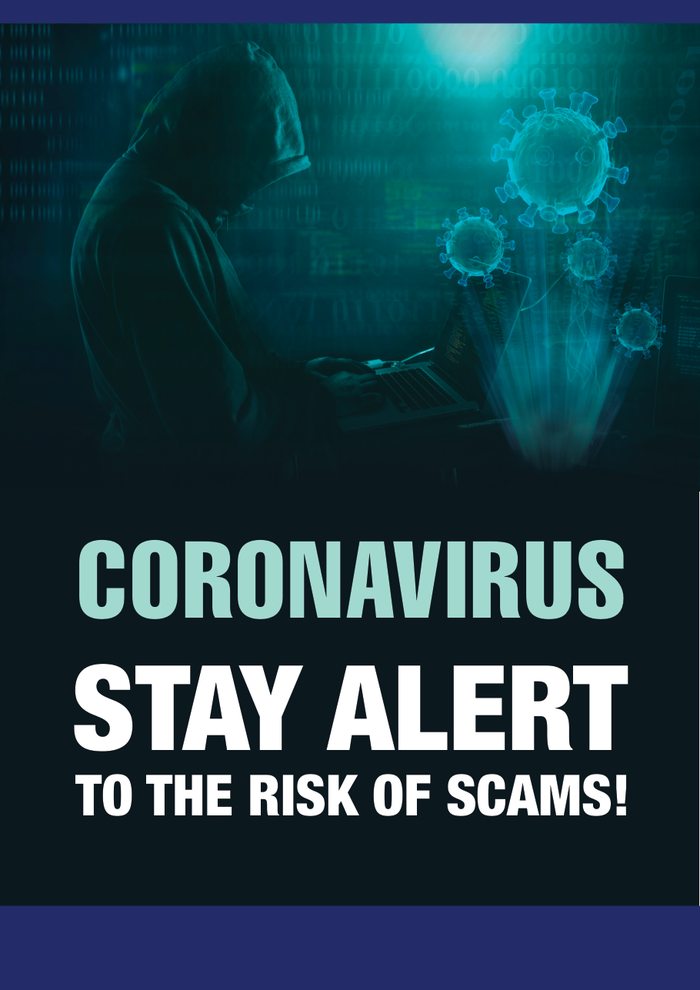
It didn't take long for criminals to adapt during the pandemic. Slowly at first, then with alarming alacrity, the criminal underworld began to capitalise on the changes we were all making — swiftly using a global catastrophe to hit businesses and consumers in the pocket, and providing a chilling insight into just how low they will go to take our data, our identities, our cash and our valuables.
Businesses, often having more resources than individuals, were particularly targeted from the outset and continue to be on the receiving end of a wide range of coronavirus-related scams. Here are some of the now common methods being used to dupe your business.
Phishing Emails
Cyber criminals use phishing emails, websites and text messages to scam businesses out of large sums of money and sensitive information. Reports flooded in of coronavirus-themed phishing emails attempting to trick people into opening malicious attachments — potentially handing criminals a business's data, such as personal information of customers and staff, email logins and passwords, and banking details.
Tactics Used in These Emails Include:
- Con artists posing as research groups mimicking the CDC or World Health Organisation, offering a "list of active infections" — if you click the link, your personal information is harvested for identity theft, or you're asked to "donate" via Bitcoin.
- Fake Covid-19 hotspot maps that put viruses onto your devices.
- Articles about the outbreak linking to a false company website, where subscribing to a "daily newsletter" steals your information or infects your device.
- Investment schemes and trading advice encouraging people to "take advantage" of the downturn, under tempting subject lines.
- Scammers purporting to be from HMRC, offering your business a tax refund via a fake website that collects financial details — often displaying the HMRC logo to look genuine and convincing.
Online Shopping Scams
Criminals send emails to businesses offering fake medical supplies. Business owners, quite rightly wanting the best for themselves, their staff and their customers, have fallen victim to scams where protective face masks, hand sanitiser and other products either never arrive, or are fake and unfit for purpose — some even containing banned or harmful ingredients. Fake testing kits have also been offered for sale. These scams are particularly horrible in that they give people false confidence that they are protected, when in fact they are not.
Loan Sharks
Loan sharks are illegal money lenders who charge extortionate interest rates and fees and use threats and violence against their victims. They take advantage of, and profit from, other people's hardship. Many offered "crisis loans" to businesses affected by the pandemic — an offer that seemed too good to pass up for many struggling owners. If you are planning on borrowing money, use the Financial Conduct Authority register to check the lender is authorised.
Deep Cleaning
There have been recorded cases of scammers contacting businesses and offering a "deep clean" service to remove the possibility of Covid-19 from premises. In some cases the fraudsters attempt to take pre-payment over the telephone; others have visited businesses in branded work vehicles and carried out the "deep clean" with substandard materials inadequate for the job — not only fraudulent, but dangerous. If you are going to have your premises thoroughly cleaned, avoid cold callers and only use a reputable company.
Bogus Officials
Criminals often impersonate people and organisations you trust — even the police and government. They spend hours researching their scams to make you believe what they are saying, and even a brief moment with your guard down is often enough for the scam to succeed. If someone attends your premises claiming to be an official — from the council, the police or any other organisation — insist on seeing ID and make a phone call to validate their credentials. Fraudsters have made such visits to scout security weaknesses for a future break-in, or to seize cash, goods or identities.